Couples & Relationships Therapy
“Grant me the calm to accept what is beyond my control (the other), the courage to change what is within my control (myself), and the clarity to know where my responsibility begins and ends.”
Conscious Love and Responsibility
A conscious relationship is built on responsibility, boundaries, and freedom.
At the heart of conscious love is the realization that no one but ourselves is responsible for how satisfied or dissatisfied we are as adults. Accepting both yourself and the other person as they are creates the foundation for making conscious and meaningful changes in a relationship.
The Role of Boundaries
Adult relationships need and thrive on boundaries. Only what is separated can truly be united.
Two conscious, adult individuals can create a true and loving “We.” When boundaries are clear, we meet in a boundary crossing, not boundaryless, way and create a shared, stable foundation for life together.
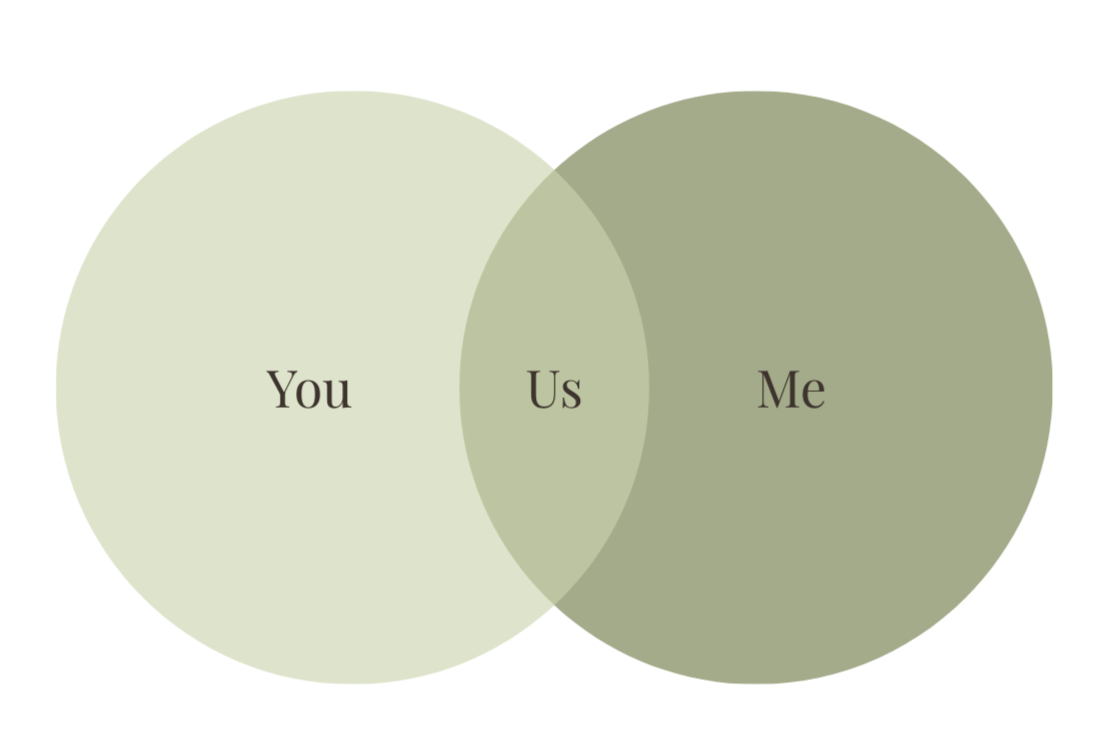
Being able to stand in your own will without shame or guilt is essential in a loving and secure adult relationship.
To deeply understand that when you take responsibility for your own needs and will, it is not against your partner. On the contrary, this allows both partners to grow individually while remaining connected.
Standing in Your Own Will
Attachment Patterns & Intimacy
Childhood Connection Strategies
The strategies we develop in childhood to stay connected to our caregivers often leave a deep imprint on our personality.
The four main attachment styles are:
• Secure
• Anxious
• Avoidant-dismissive
• Disorganised
Patterns in Adult Relationships
These patterns are especially activated in close and intimate adult relationships.
Giving, Receiving, and Emotional Openness
Early attachment influences our ability to give and receive love, as well as our capacity to show both vulnerability and strength with another person.
Expressing Love & Need
“The ability to express both love and personal needs is fundamental in a conscious relationship. True love is neither limited nor limiting. True love is realizing, feeling, and expressing that I love you more than I need you.”
— Beata Engellau
Questions to consider before couples therapy
Is there a genuine loving good will towards yourself as well as your partner?
What strengthens this goodwill and what weakens it for each person?
What triggers you in your partners behaviour? And why?
Who am I in the relationship and do I enjoy the role I have taken/received or do I want to change it?
What could I give more of that I know would make our relationship better?
What could I do less of that I know would make our relationship better?
What am I longing for in the relationship and why?
Begin the work that matters.
Schedule your 15 minute discovery call and see if this feels right for you.